
Search results (4030)
Skip results of view Publications

In March, the data.europa academy hosted two webinars that approached open data from different perspectives yet shared a common focus on societal impact. One session was organised in the context of Open Data Day 2026 and examined open data as a public good for territorial development. The other marked the start of a new webinar series on open data, academia, and ethics. Together, these webinars offered participants a broad view of how open data informs policy, research, and public trust. Here is a recap of how the sessions unfolded. The first webinar, ‘ Open data as a public good: evidence
How can open data help Europe anticipate crises, support rapid response, and strengthen long‑term resilience? Join us for the upcoming data.europa academy webinar on ‘Open data for crisis response and resilience: cases from European and national institutions’, taking place on Friday, 24 April 2026, from 10:00 to 11:00 CEST. In this webinar, Auriane Denis Loupot from DG ECHO will present the EU‑level perspective. She will introduce the analytical services of the Emergency Response Coordination Centre and explain how open data supports early warning systems, resource mobilisation, and

How can skills and labour‑market data be shared more effectively across Europe? This question is at the heart of the upcoming data.europa academy webinar ‘European data spaces in practice: insights from the Data Space for Skills’ , taking place on Friday, 10 April, from 10:00 to 11:00 CEST. The online session is open to everyone interested in European data spaces, skills intelligence, and evidence‑based policymaking. DS4Skills (Data Space for Skills) is a European initiative that aims to improve access to skills‑related data across borders and sectors. By bringing together universities

The first quarter of 2026 has brought on a diverse set of data stories to the European Data Portal, each highlighting how open data helps us understand social trends, mobility behaviour, local environments, and demographic changes across Europe. From education and accessibility to city safety and ageing, these publications offered fresh perspectives on the role of data in everyday life. We began the year with a closer look at Erasmus+ mobility , exploring how open data reveals travel patterns, popular destinations, and long-term opportunities created through cross-border learning. This was

Public procurement accounts for significant public spending in the EU, yet the data behind these processes has long been fragmented and difficult to access. The EU’s Public Procurement Data Space (PPDS) was created to change this by offering a single, EU-level, entry point to procurement-related information which helps policymakers, public buyers, and businesses access comparable, high-quality data in one place. This new service supports a more competitive, fair and transparent internal market by making procurement activities easier to analyse and understand. The PPDS consolidates procurement

What would it take for every person in Europe to benefit from digital life, safely and fairly? The EU’s Digital Decade policy programme 2030 sets out a common roadmap for Europe’s digital transformation, with shared objectives and a cooperation mechanism between the European Commission and Member States. It is designed to capture the opportunities of going digital, like better online public services, while tackling challenges such as the digital divide, cybersecurity risks and disinformation. The programme focuses on four areas that shape everyday life: a digitally skilled population, secure
How can shared, trusted data help Europe address skills gaps, guide training opportunities, and support evidence‑based policymaking? Join us for the upcoming data.europa academy webinar on 'European data spaces in practices: insights from the Data Space for Skills' taking place on Friday, 10 April 2026, from 10.00 to 11.00 CEST. In this webinar, Nathan Carvalho, project coordinator at the Data Space for Skills, will present the objectives, governance, and technical architecture of Data Space for Skills as it transitions from its conceptual phase to a more operational stage. With partners now
Slovenia’s national open data portal, podatki.gov.si , serves as the central online platform for accessing public sector information across the country. Managed by the Ministry of Public Administration and supported technically by the Ministry for Digital Transformation , the portal brings together datasets from many Slovenian agencies into one accessible location. It is designed to help users explore, reuse, and combine open data for research, applications, visualisations, and public value projects. The portal provides a wide range of functionalities and tools that make it easy to find and

The International Day of Happiness, observed each year on Thursday, 20 March, highlights happiness and well-being as universal human goals. Established by the United Nations , the day encourages governments, organisations, and citizens to reflect on how social, economic, and environmental factors shape quality of life. Across Europe, this conversation increasingly relies on data to understand what well-being means in practice and how it can be improved. At a global level, initiatives such as the World Happiness Report bring together data from more than 140 countries to explore trends in life
- Data Story
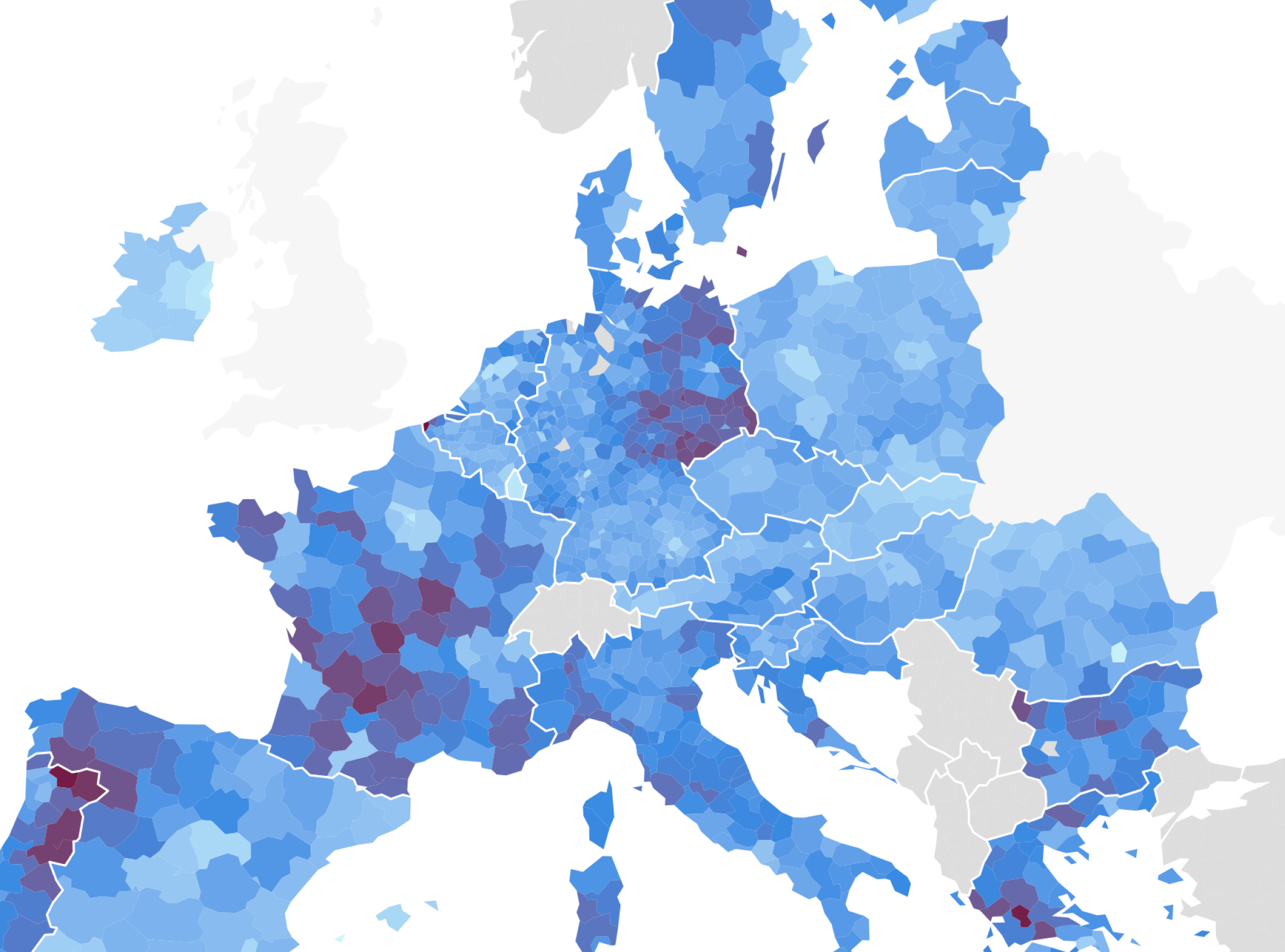
How many people over 90, or even over 100, do you know? Europeans are living longer than ever before. Today, people aged 80 and over are the fastest-growing age group, while around one in five people in the EU is aged 65 or over . Combined with declining birth rates, the balance between younger and older generations is steadily shifting. But how has Europe’s population changed over time and what...